POF film for retail multipacks
POF is the default for retail: clear, strong and it seals at low temperature. Bottles, boxes and gift packs run at 15 to 30 packs per minute. POF costs more per kilo than PVC and uses less of it per pack.
 Foshan Popper Machinery Co., Ltd.
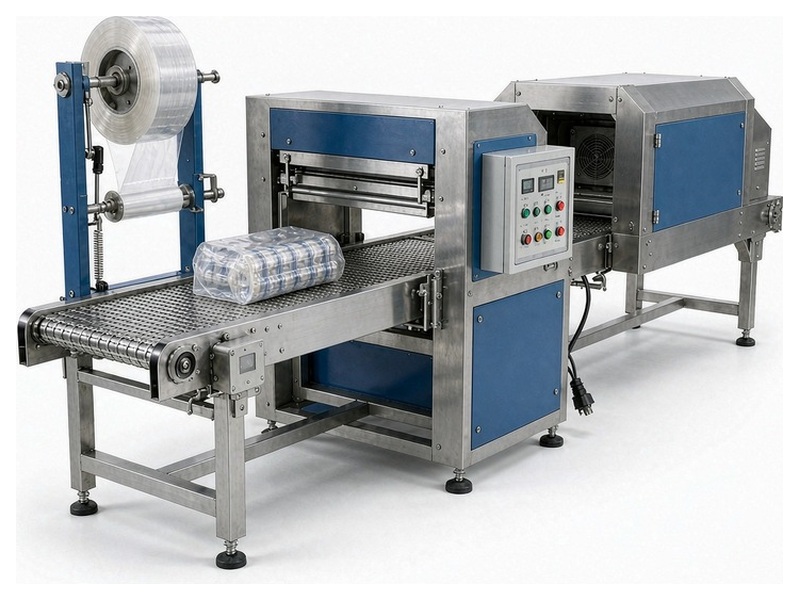
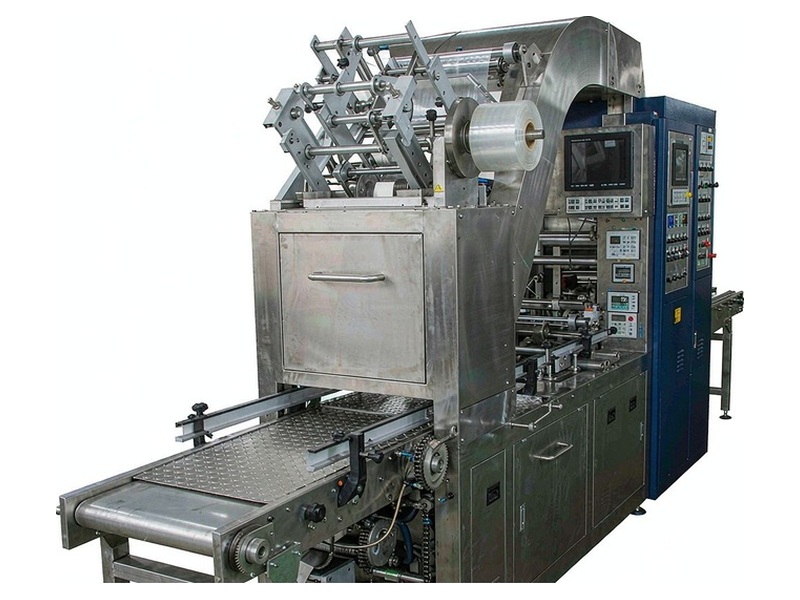
An automatic L-type sealer and heat shrink tunnel that wraps boxes, bottles, books and promotional bundles in POF or PVC film. Delivers tight, tamper-evident, retail-ready packs with minimal operator input.
Real production footage of our automatic shrink wrapping line, L-sealer cutting and heat tunnel shrinking bottles and boxes.
| Model | SW-450 / SW-450A |
|---|---|
| Sealing type | L-type sealer, constant heat |
| Packaging speed | 15–30 packs/min |
| Max product size | 450 × 350 × 250 mm |
| Film type | POF / PVC, 15–30 µm |
| Tunnel temperature | 100–200 °C adjustable |
| Conveyor | Chain / mesh belt, variable speed |
| Power | 220V / 380V, 50/60Hz, 6.5 kW |
| Certification | CE, ISO 9001 |
Food & beverage multipacks, bottled water and drinks, boxed confectionery, books and stationery, cosmetics and gift sets, hardware and industrial parts, promotional bundles.
Close-up views captured directly from the running machine video.
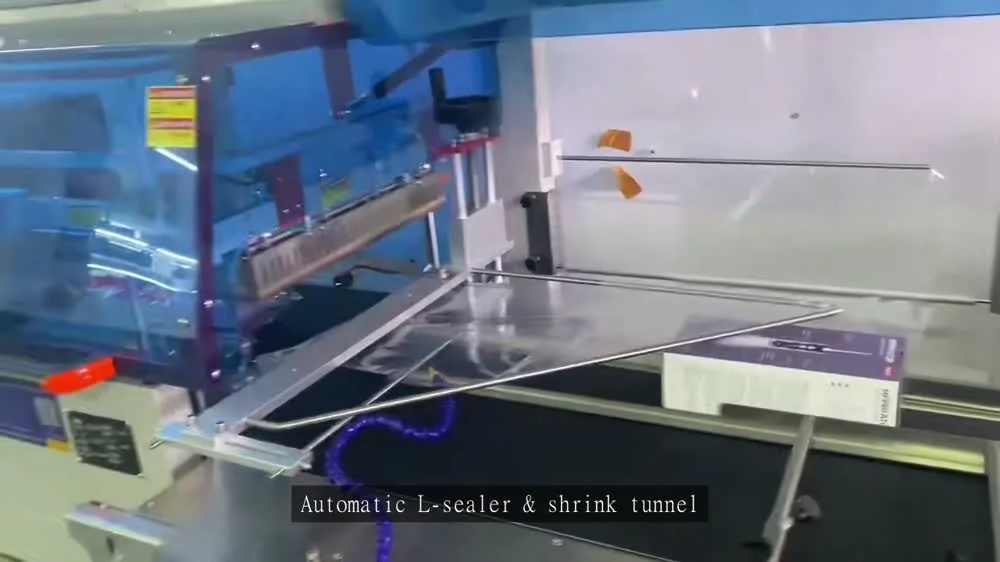
Products conveyed into the L-sealer.
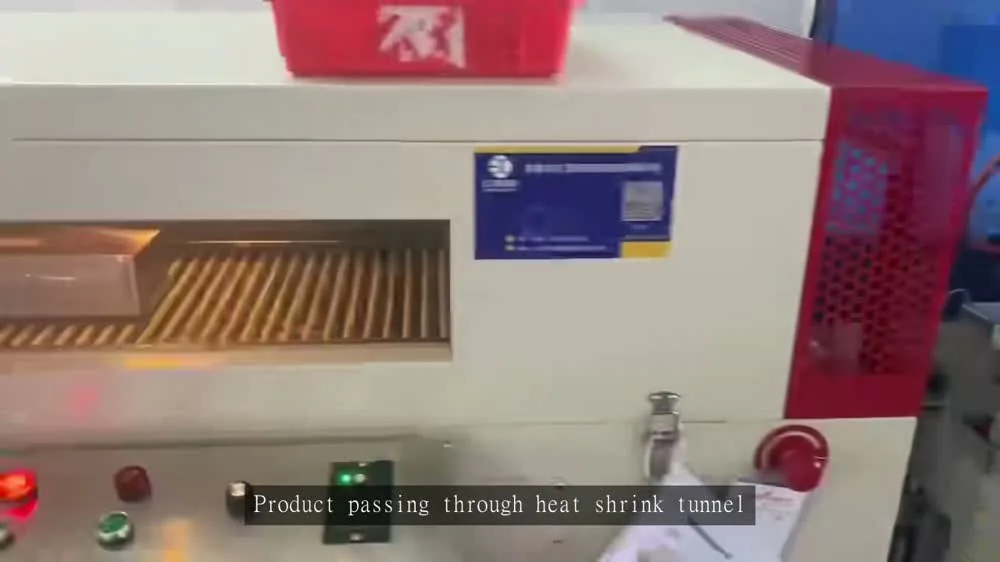
Film wrapped and sealed around the product.
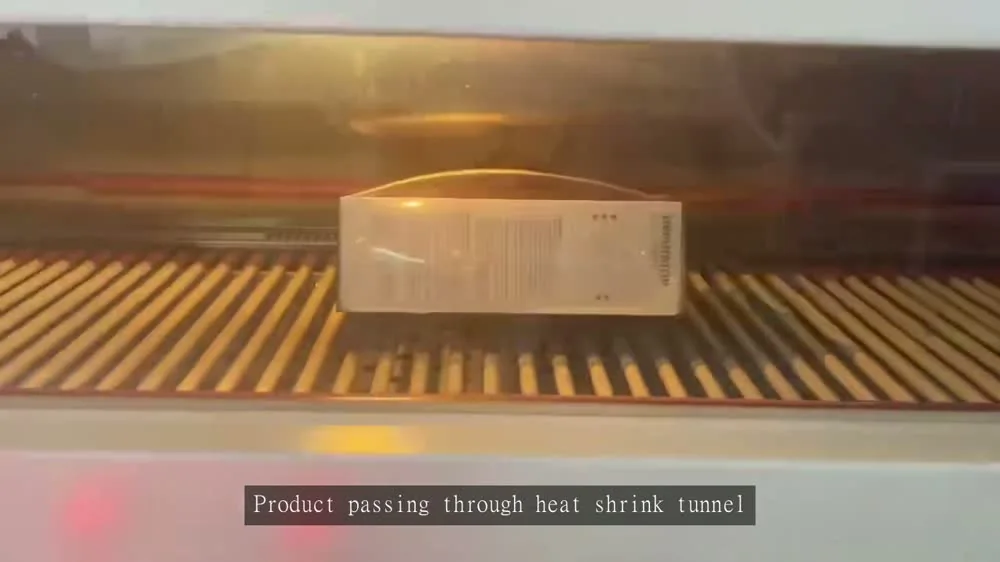
Film shrunk tightly in the heat tunnel.
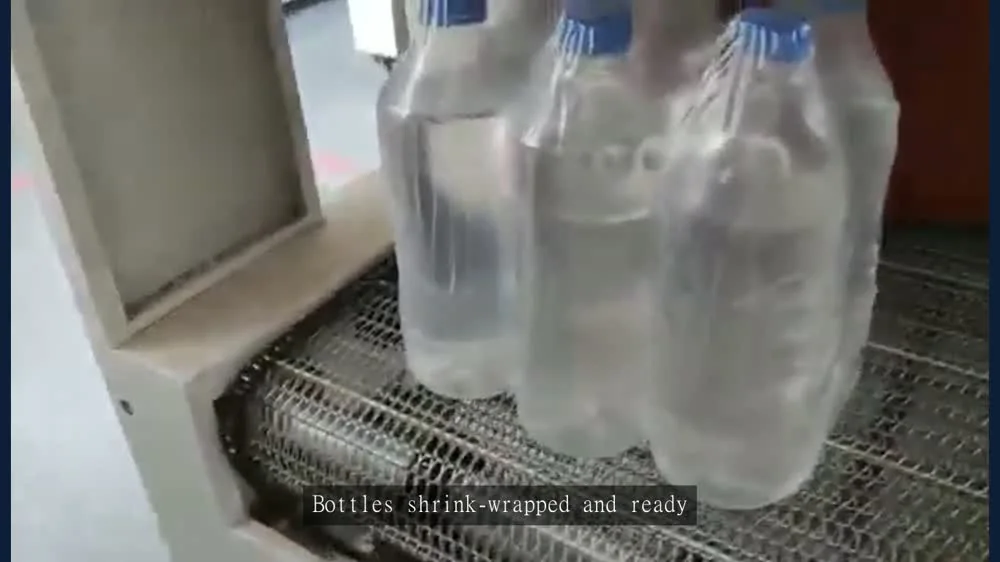
Tight, clear shrink-wrapped package.
A shrink line is two machines. A sealer wraps film around the pack and a tunnel shrinks it tight. Most faults come from matching film to tunnel, not from the sealer.
POF is the default for retail: clear, strong and it seals at low temperature. Bottles, boxes and gift packs run at 15 to 30 packs per minute. POF costs more per kilo than PVC and uses less of it per pack.
PE suits case-sized loads and hardware where puncture resistance matters. It needs a higher tunnel temperature and a longer dwell, so a PE line uses a longer tunnel than a POF line.
A sleeve wrapper closes the film into a tube and shrinks it around the pack, leaving the ends open. Bottled water and canned drinks use it because the pack needs ventilation and the film cost is lower.
Printed film needs a photo-eye and a seal position that matches the artwork. Perforation lets air escape while the film shrinks; without it, packs balloon and the seam can split.
Pack styles below are format illustrations, not photos of packs off our machines. Film, product and tooling decide which formats a line can run.
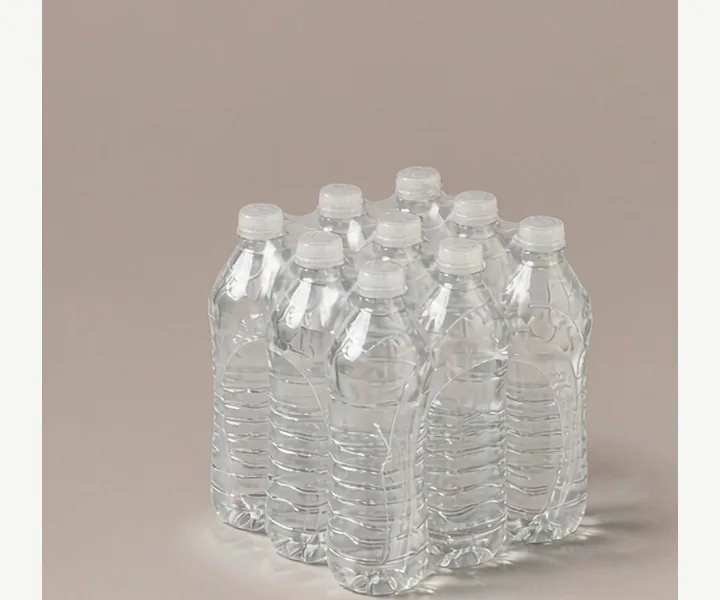
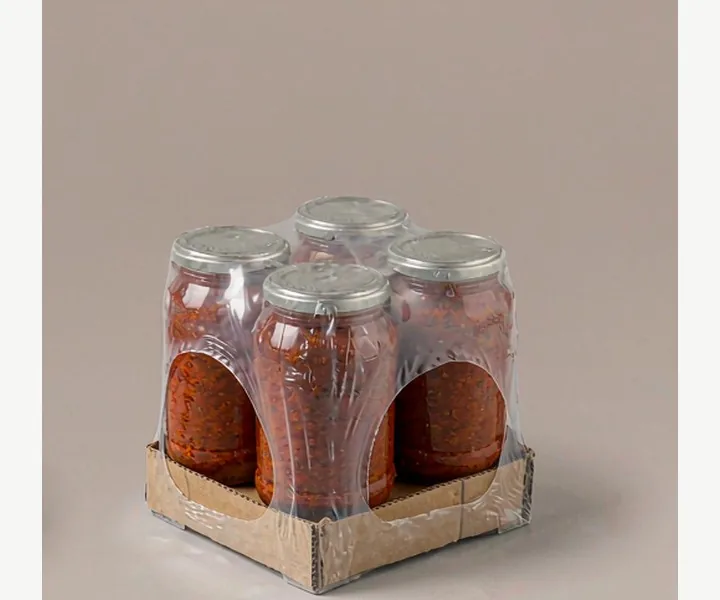
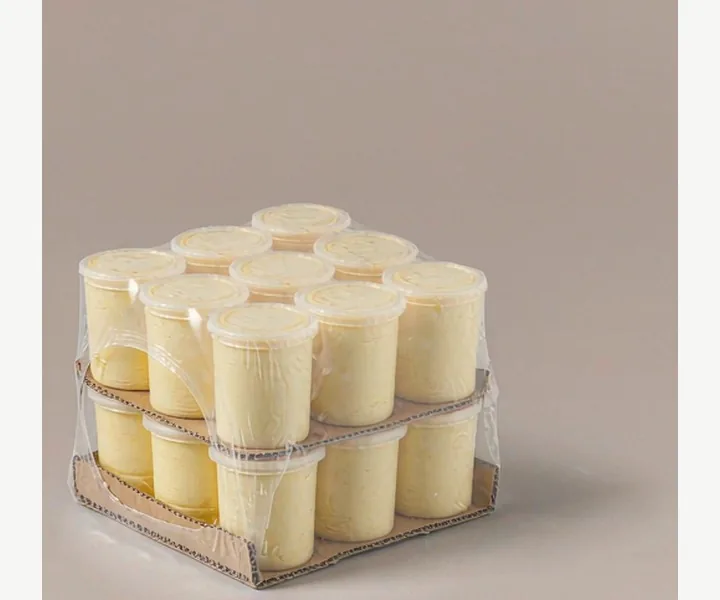
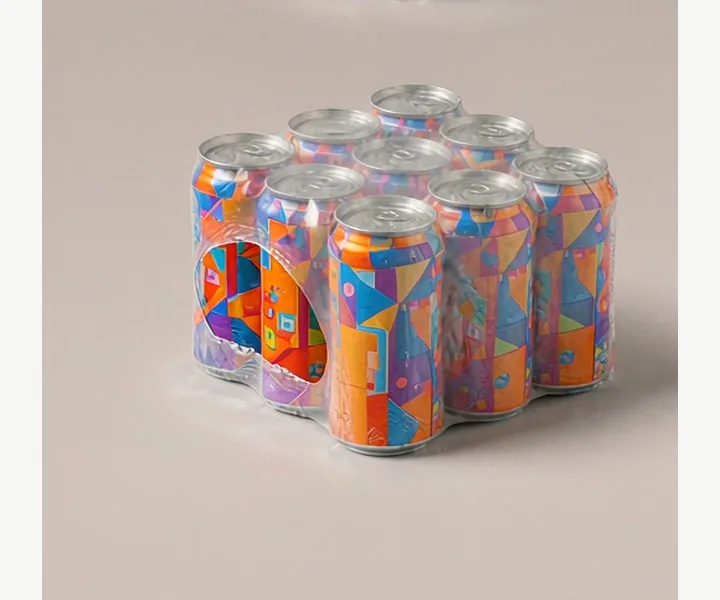
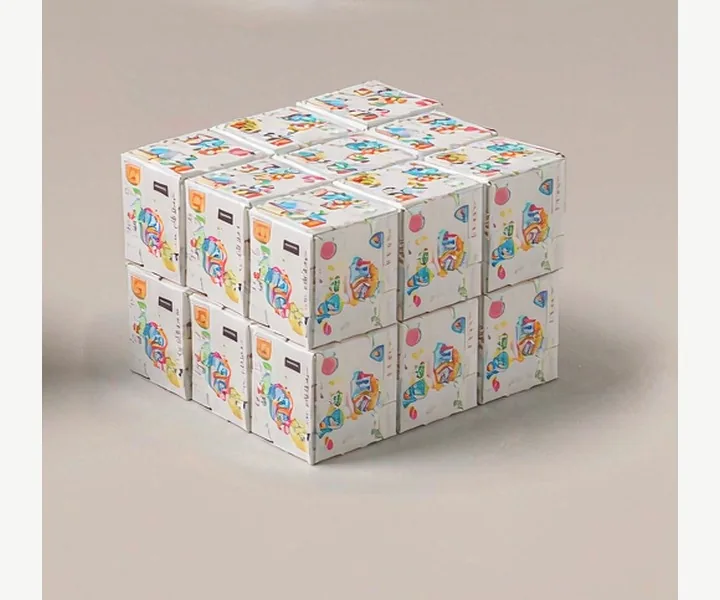
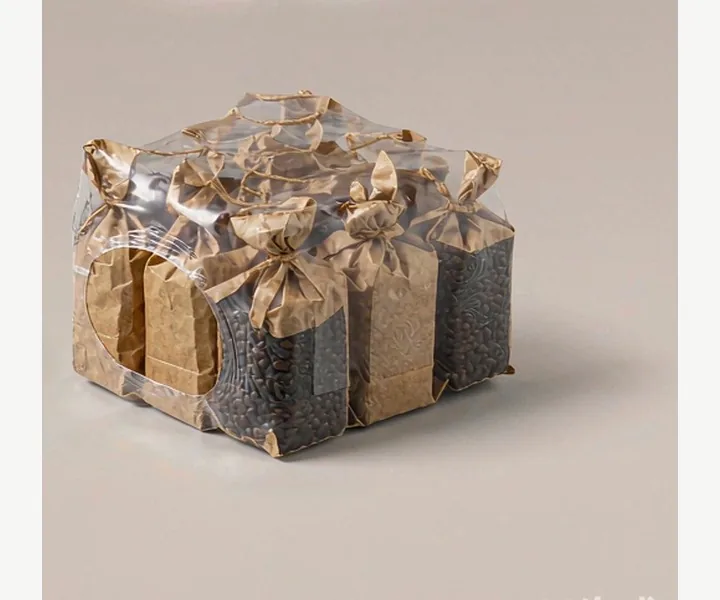
POF for retail presentation and packs near food, because it contains no chlorine and shrinks evenly at a lower temperature. PVC is cheaper and glossier, but it is restricted in some markets and gives a weaker seal on thick packs.
Usually tunnel temperature, conveyor speed or film tension. Too much heat collapses thin sections, too little leaves slack at the corners. Run a temperature ladder on your own pack before setting production parameters.
Not with standard POF or PVC. Direct contact needs a food-grade film and a machine built for it. Most food packs are boxed or trayed first, then overwrapped.
Film behaviour is covered in the packaging film guide. For boxed retail packs, a 3D film wrapper keeps the film flat instead of shrinking it. Shipping cartons belong on a case packer.
Send us your product size and target output: we'll reply within 24 hours.